

CST AWARD FOR BEST ARTIST-TECHNICIAN
2026 JURY
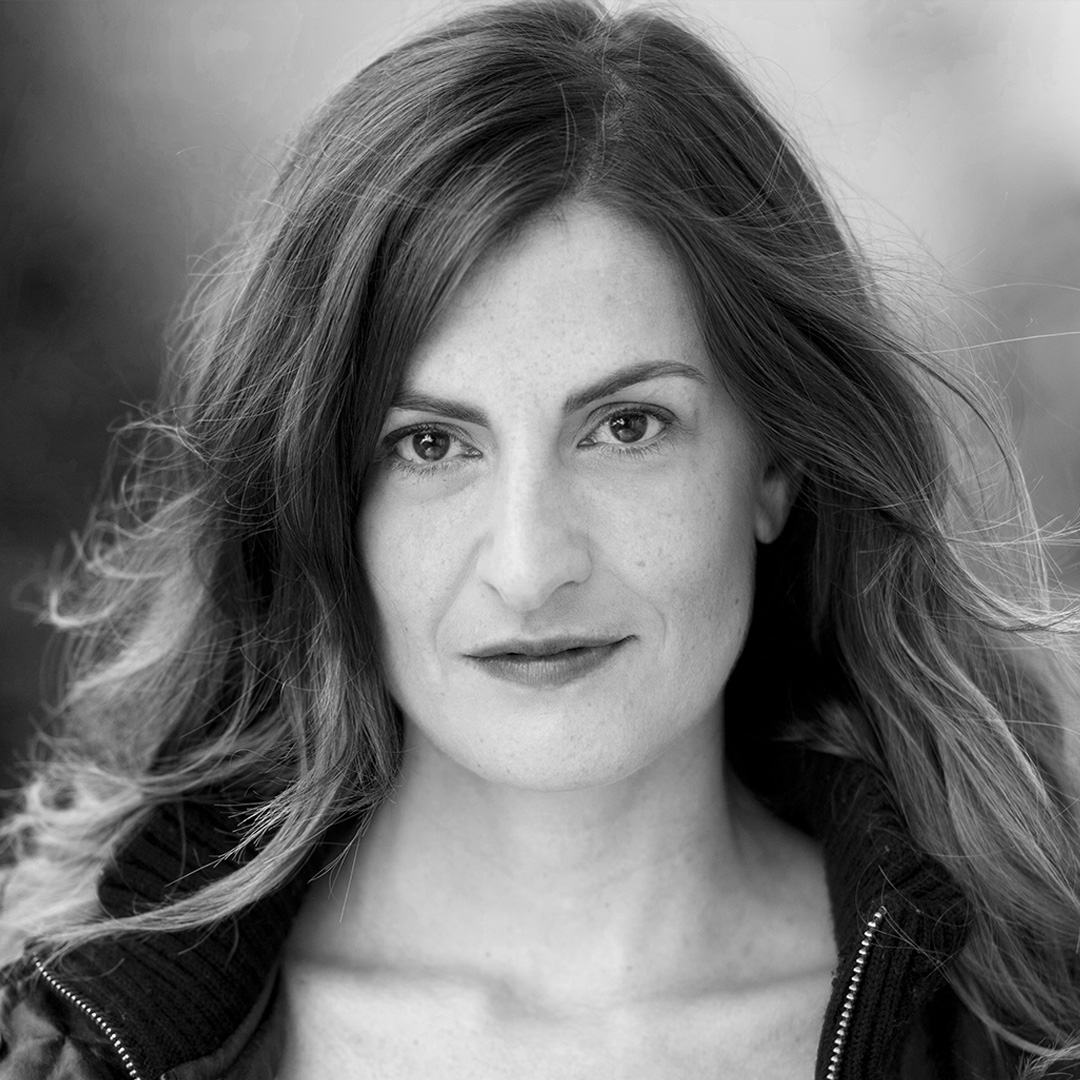
Alice Cambournac
Costume designer, AFCCA
As a head costume designer in film and television, she has collaborated with directors such as Cédric Kahn, Rebecca Zlotowski, Christian Duguay, and Frédéric Mermoud. Actively involved in associations for several years, she is committed to promoting the recognition, preservation, and transmission of costume design professions in order to collectively shape the future of cinema. She currently serves as the representative for the costume design branch at the APC (the CÉSAR Awards), vice president of the AFCCA, and deputy head of the Artistic Department at the CST.
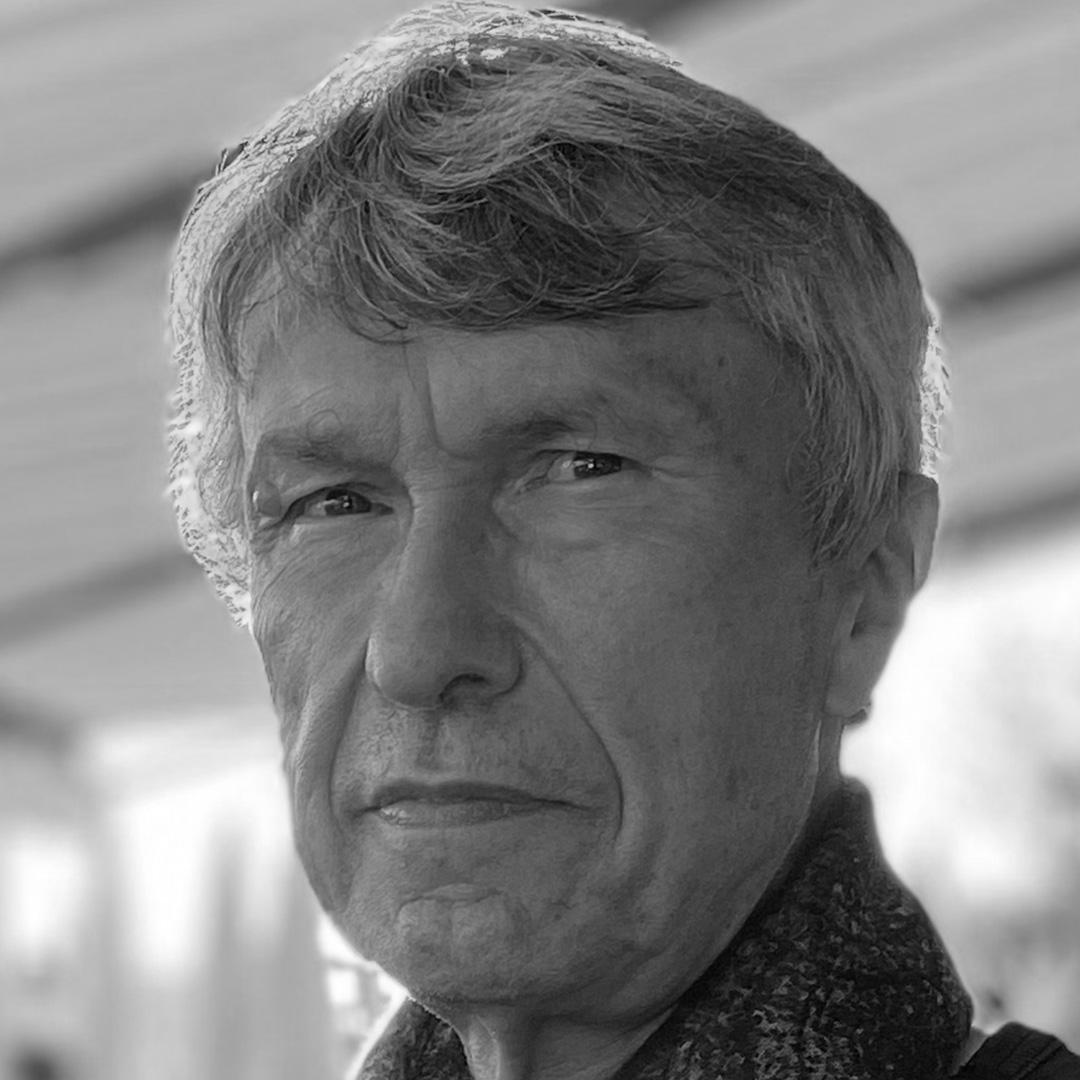
Bertrand Cocteau
Programmer
Bertrand Cocteau is a leading figure in the field of film programming, with over forty years of experience working for major cinema exhibition circuits in France and Europe.
After starting his career at Artistes Associés, where he helped launch the United Artists Classics label in France, and then working as a programmer at Parafrance, he joined Pathé in 1985 as deputy director of programming in charge of regional theaters. In 1989, he joined the UGC Group, where he primarily served, until 2023, as director of programming for France and Europe. He oversaw programming for UGC cinemas in the UK, Ireland, Italy, Spain, and Belgium.
Alongside his professional activities, Bertrand Cocteau has contributed to the training of future industry professionals by teaching in the Distribution/Exploitation department at La Fémis since its creation.
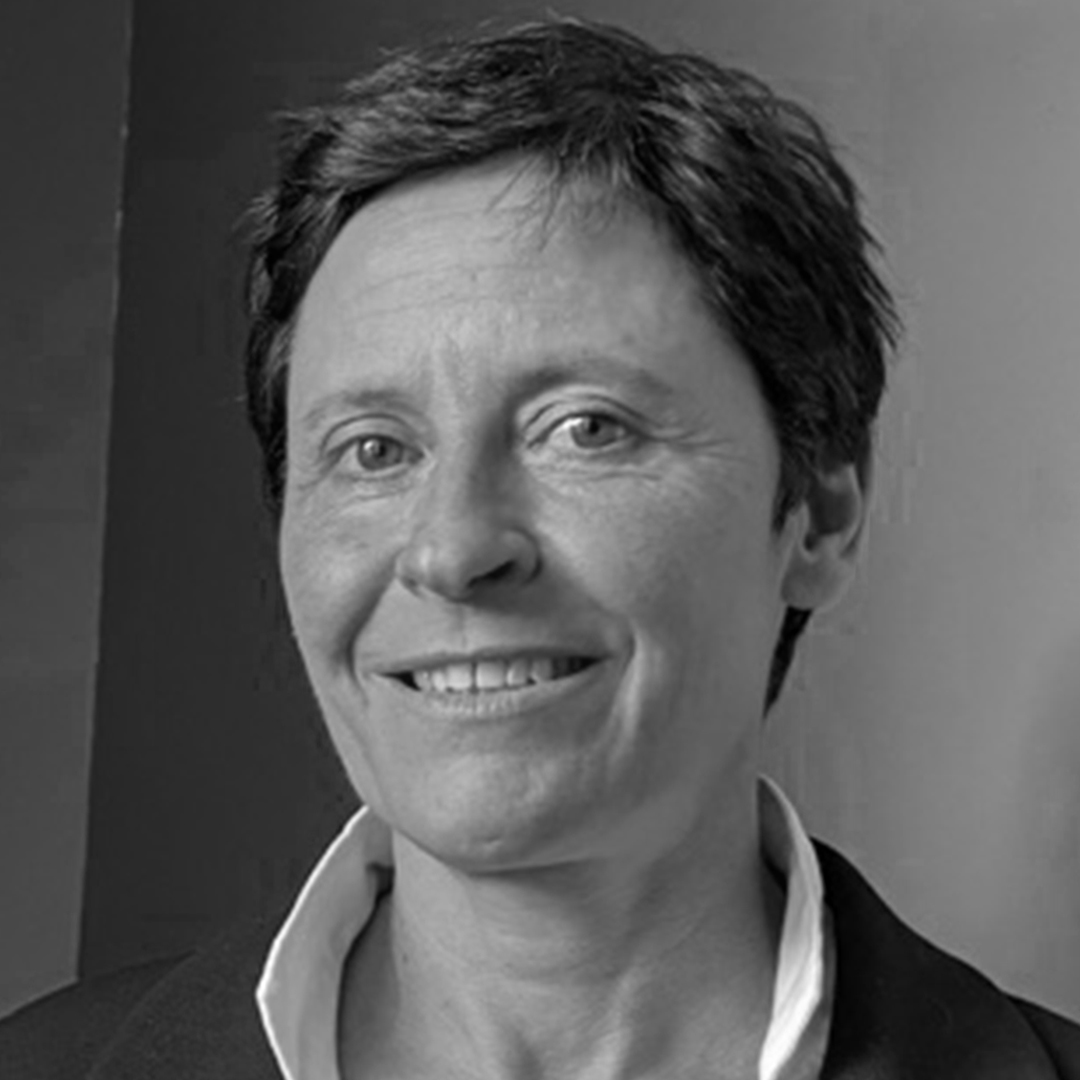
Yolande Decarsin
Head sound engineer
Yolande DECARSIN graduated from INSAS in Brussels in 1995.
As a chief sound engineer, She enjoys switching between sound recording for documentary and fiction films. She has collaborated notably with Raymond Depardon, Nicolas Philibert, Sébastien Lifshitz, and Jonathan Littell on documentary films.
Pierre Schoeller, Léa Mysius, Katell Killevéré, and Thomas Salvador on fiction films. She won a European César Award for Sound for Sébastien Lifshitz’s Petite fille in 2020, as well as a César Award for Sound for Adolescentes in 2021, also directed by Sébastien Lifshitz.
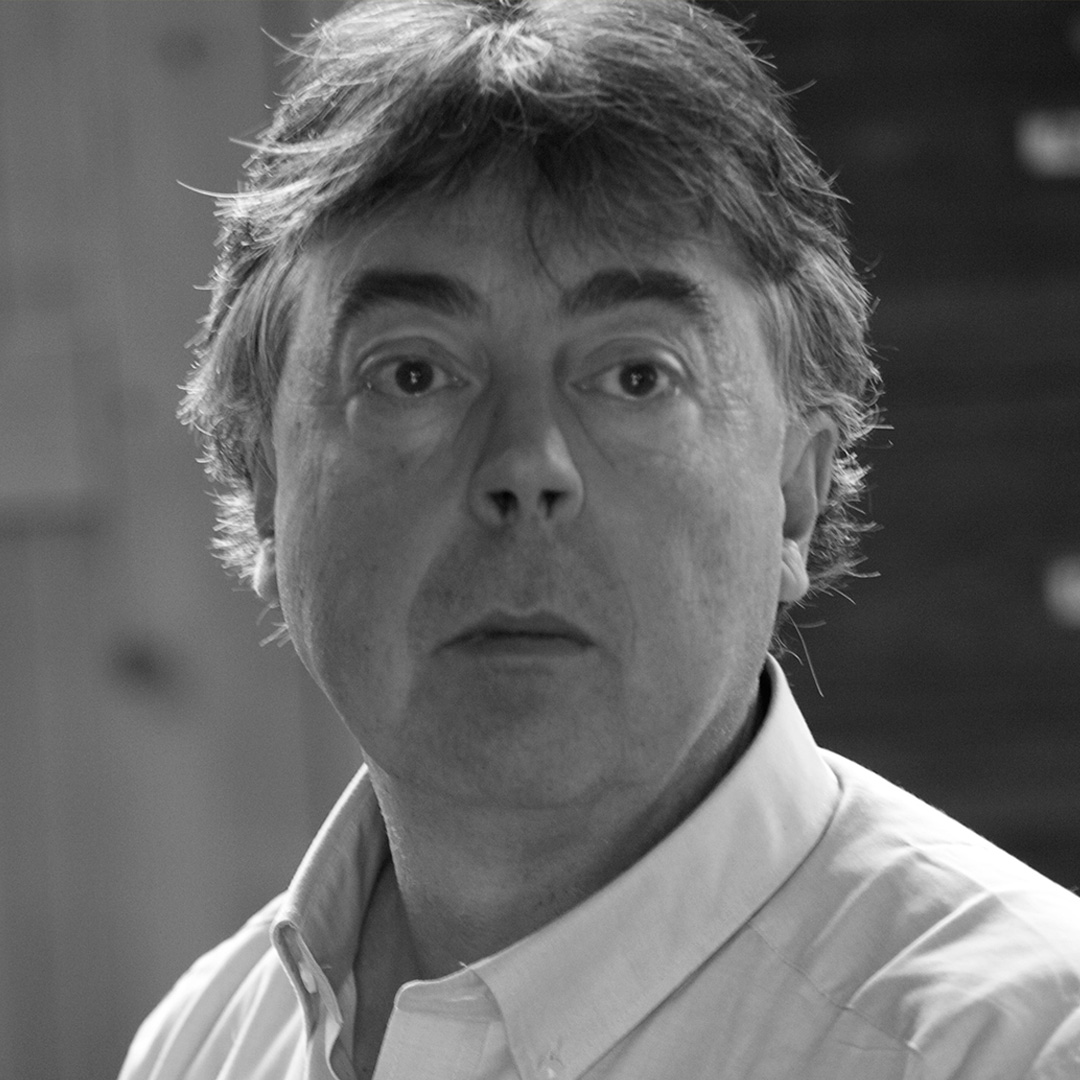
Jean-Marie Dreujou
Cinematographer, AFC, ASC, AMPAS
Jean-Marie Dreujou is a cinematographer and a member of the AFC, ASC, and AMPAS.After graduating from ESEC in 1979, he worked as a camera assistant before launching his career as a cinematographer in 1994 with Anne Fontaine’s “Augustin”, which was selected for the Official Selection at the Cannes Film Festival.
Appreciated as much for his talent as for his artistic sensibility, Jean-Marie has shot 50 films over 32 years and collaborated with numerous directors.
- Jean-Jacques Annaud’s Two Brothers, nominated for a César Award for Best Cinematography. The Last Wolf, Golden Lotus for Cinematography and nominated for the Camerimage Golden Frog. Notre-Dame on Fire, for which they jointly received the Cinematographer-Director Duo Award at Camerimage.
- Bernard Giraudeau, The Whims of a River, César Award nomination for Best Cinematography.
- Patrice Leconte, The Girl on the Bridge, César Award nomination for Best Cinematography, and The Man on the Train.
- Jean Becker, Les enfants du marais, and Dialogues avec mon jardinier.
- Day Sijie, Balzac et la petite tailleuse chinoise, selected for Un Certain Regard at the Cannes Film Festival & nominated for a Golden Globe.
- Alejandro Jodorowsky, La danza de la realidad, selected for the Directors’ Fortnight at the Festival de Cannes.
- Eric Besnard, Délicieux,
- Artus, Un p’tit truc en plus,
- Alexandre Astier, Kaamelott Vol. 1 & 2.
In 2016, he joined the jury for the Caméra d’Or at the Festival de Cannes.
He also chairs several juries at the Camérimage Festival, the Chef op’ en lumière Festival, and the Manaki Brothers Festival.

Lise Fischer
Lise Fischer – Digital Visual Effects (VFX) Supervisor
A visual effects professional for nearly twenty years, Lise Fischer began her career at Mac Guff Line before joining Illumination Studios as a compositing supervisor on major animated blockbusters.
In 2020, she joined MPC Paris and worked on ambitious projects, including Jean-Jacques Annaud’s Notre-Dame Brûle, Sofia Alaoui’s Animalia, and Thomas Salvador’s La Montagne, for which she received a César Award nomination for Best Visual Effects in 2023. She continued her work as a supervisor on Géraldine Danon’s Flo and collaborated on Robin Campillo’s L’Île Rouge and Bruno Dumont’s L’Empire. Several films she contributed to were selected for Cannes, notably Jacques Audiard’s Emilia Pérez (Official Competition, 2024), as well as Emma Benestan’s Animale and Bi Gan’s Résurrection.
Lise aspires to support filmmakers who place visual effects at the heart of innovative narratives. Dedicated to promoting the role of VFX in auteur cinema, she is convinced that this discipline, like poetry in literature, can open the seventh art to new dialogues and establish itself as an artistic language in its own right.
In 2025, Stéphane Demoustier’s L’Inconnu de la Grande Arche was selected for Un Certain Regard. His reconstruction of the construction site using archival photographs earned him the César Award for Best Visual Effects.
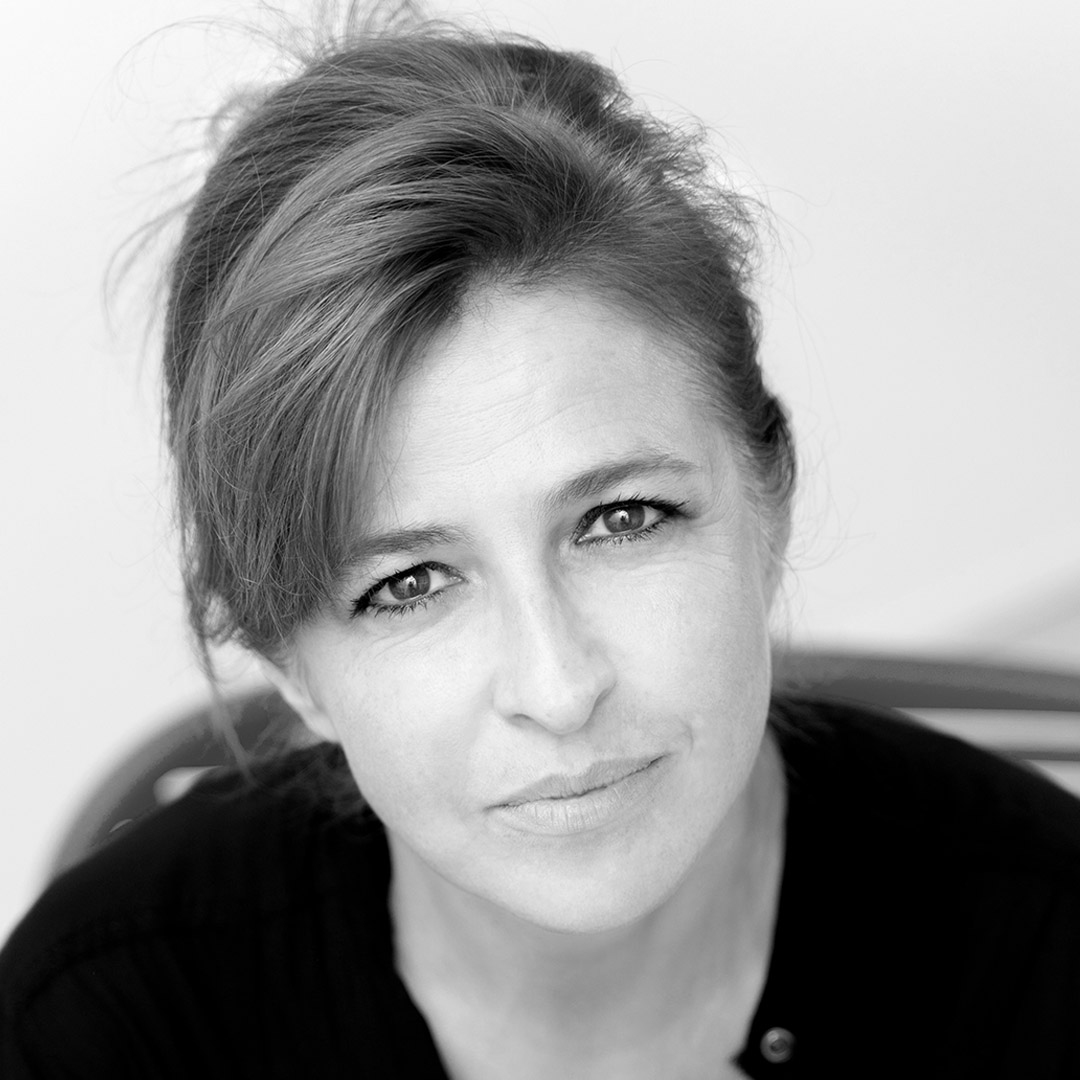
Laure Gardette
Head film editor
Laure Gardette won the César Award for Best Editing for Maïwenn’s Polisse (Jury Prize at the Festival de Cannes).
She has also worked with François Ozon, Guillaume Canet, Cédric Jimenez, Grand Corps Malade, Cédric Kahn, Franck Gastambide, Christian Carion, Valéria Bruni Tedeschi, Régis Roinsard, and Jérôme Bonnell. She has edited documentaries for Rémi Lainé, Julie Bertuccelli, Christophe Otzenberger, and Daniel Karlin.
She was awarded the title of Knight of the Order of Arts and Letters for her dedication to auteur cinema.
Internationally, she has worked with Nadine Labaki (Lebanon) on Capharnaüm, winner of the Jury Prize at the Festival de Cannes, and Caramel, selected for the Directors’ Fortnight; with Souleymane Cissé (Mali) on Oka; and with Neeraj Ghaywan (India) on Masaan, winner of the FIPRESCI Prize and the Un Certain Regard Special Prize.
Laure Gardette views editing as a process of writing with images and sounds under the director’s guidance. In her view, the editor is the film’s first viewer; they are an interpreter and a revelator. They must be proactive, using their sensitivity and imagination to highlight the direction, shot sequence, dramatic structure, character psychology, pacing, the actors’ performances, and the emotions conveyed to the audience.